
RHINOPLASTY
Rhinoplasty, also known medically as rhinoplasty, is a surgical procedure performed to improve the shape and function of the nose. In addition to aesthetic concerns, it can also be performed for health reasons such as congenital anomalies, trauma, or respiratory problems. Rhinoplasty aims to achieve a natural appearance that complements the face while preserving the nose's function.
Modern rhinoplasty techniques allow the nose to be brought into proportion with the rest of the face while preserving the patient's natural shape. Two basic techniques are used: open and closed rhinoplasty. In open rhinoplasty, a small incision is made at the tip of the nose, while in closed rhinoplasty, the incisions are made inside the nose. The preferred method depends on the patient's needs and the surgeon's planning.

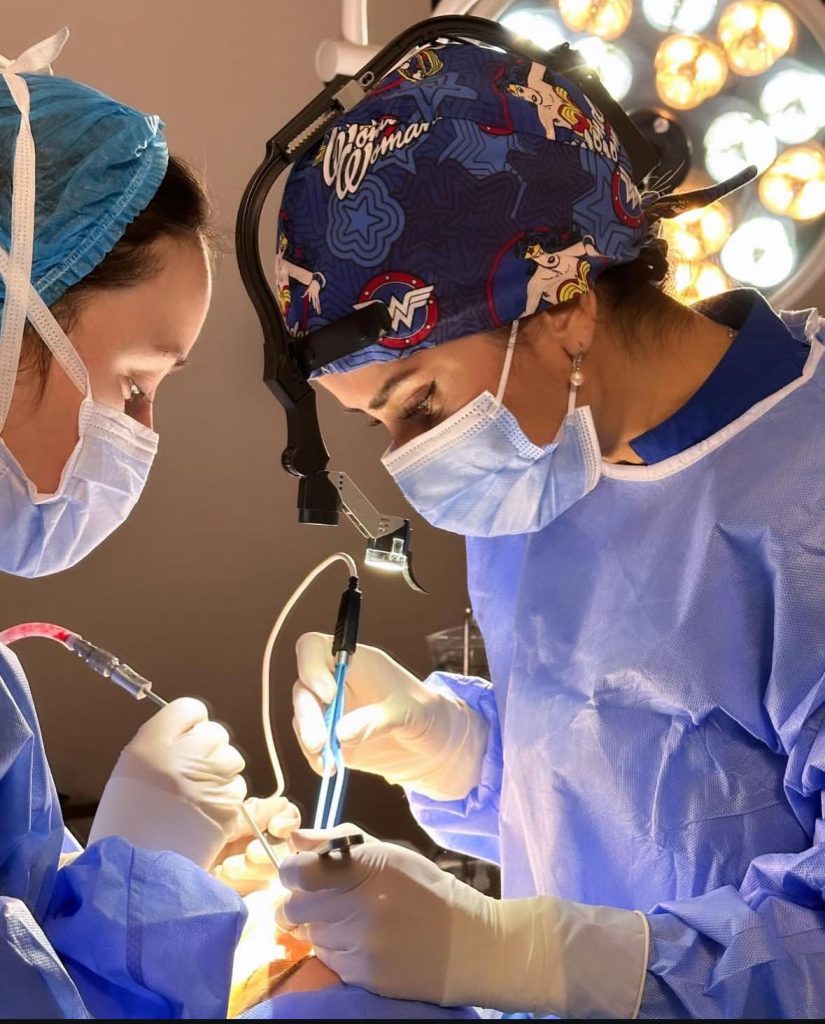
The rhinoplasty process begins with a detailed preliminary examination. A personalized surgical plan is created based on an evaluation of the patient's facial structure, nasal skin thickness, cartilage, and bone structure. The surgery is performed under general anesthesia and typically takes 1.5 to 3 hours. A few days of rest and monitoring for swelling in the first weeks are important during the postoperative recovery period.
Rhinoplasty not only improves physical appearance but also positively impacts a person's self-confidence. However, for a successful outcome, an experienced surgeon should be selected and realistic expectations should be set for the patient.
In conclusion, rhinoplasty is not only an aesthetic procedure but also a functional one. It is crucial for both health and satisfaction that individuals considering rhinoplasty undergo a thorough evaluation process.
Anatomical Structure of the Nose:
The nose consists of two main parts: the external structure (external nose) and the internal structure (nasal cavity). The upper part consists of the nasal bones, and the lower part consists of cartilage. The septum is the main structure that divides the nose into two equal cavities. The turbinates are bony structures that filter and moisturize air within the nose. The alar cartilages surrounding the nostrils determine the shape of the tip of the nose. The outer surface of the nose is covered with muscle and skin. The sinuses are air-filled cavities connected to the nose. These anatomical structures work together to provide both an aesthetic appearance and healthy breathing.
WHAT IS THE STRUCTURE OF THE NOSE?
The nose is one of the most important facial organs, both aesthetically and functionally. The first step in respiration is through the nose, where air is warmed, moistened, and filtered. The nose also provides the sense of smell.
The nose has a complex structure composed of bone, cartilage, muscle, and skin. Its upper portion consists of the nasal bones and is fixed. The lower portion is cartilaginous and malleable. These sections include the lateral, alar, and septal cartilages. The septum is the wall that divides the nose in half, and a proper septum is the foundation of healthy breathing.
The shape of the nostrils, the tip of the nose, and the contour of the bridge of the nose vary from person to person. Skin thickness, the soft tissues of the nasal tip, and muscle structure also influence rhinoplasty.
The structure of the nose plays a significant role in the overall appearance of the face. A nose that is symmetrical, natural, and in harmony with the face plays a crucial role in aesthetic perception. Therefore, rhinoplasty planning takes into consideration not only the nose itself but also surrounding structures such as the forehead, chin, and cheekbones.
In conclusion, the nose has a complex and special structure that has both aesthetic and functional functions.
FREQUENTLY ASKED QUESTIONS
WHO SHOULD HAVE Rhinoplasty?
- People who are not satisfied with the shape of their nose
- Individuals with post-traumatic nasal structure deformity
- Those with congenital nasal deformities
- Those who have difficulty breathing due to nasal deviation
- Those with drooping, wide or asymmetry at the tip of the nose
- Those with a hump on the back of the nose
- Those who have self-confidence problems due to aesthetic appearance
- Those who need revision after previous rhinoplasty
- People who want to ensure the proportion between the nose and the face
- Healthy individuals (over 18 years of age, bone development completed)
RHINOPLASTY RECOVERY PROCESS
- Bed rest for 1-2 days is recommended after surgery.
- The splint or plaster placed on the nose is not removed for the first 7 days.
- Bruising and swelling around the eyes are most intense within the first week and then begin to decrease.
- Heavy exercise should be avoided for the first 2 weeks.
- It is possible to return to daily social life from the 2nd week onwards.
- It may take 6-12 months for the swelling to completely subside and the nose to take its final shape.
- Post-operative check-ups should not be neglected.
RECOVERY PROCESS IN RHINOPLASTY SURGERY
- Those who are uncomfortable with the bridge of their nose
- Those with drooping or deformed nose tip
- Those who complain about the length or width of their nose
- Those who think their nostrils are asymmetrical
- Those whose nose structure appears disproportionate to the face
- Those who have breathing problems as well as aesthetic appearance
HOW IS RHINOPLASTY SURGERY PERFORMED?
- Immediately after the surgery, you may experience a mild headache and a feeling of nasal congestion.
- It is recommended to sleep with your head elevated on the first night.
- If a tampon is placed in the nose during the first week, breathing may be difficult until it is removed.
- Avoid blows to the nose for the first 10 days.
- Do not sleep face down; if possible, sleep on your back.
- Glasses use should be limited for 6 weeks.
- It should be protected from the sun and stay away from hot environments.
HOW IS RHINOPLASTY SURGERY PERFORMED?
- During the patient examination, the nasal structure is analyzed and surgical planning is made.
- The procedure is started under general anesthesia.
- Access to the nasal structure is achieved using a closed or open technique.
- The bone and cartilage structure is reshaped.
- The tip of the nose and the back area are brought into line with the facial features.
- If necessary, functional problems such as deviation are also corrected.
- After bleeding is controlled, a tampon is placed inside the nose and a splint is placed outside.
- The patient is discharged on the same day or the next day.
NATURAL, FACE-COMPATIBLE RESULTS
Every face is different, so every nose design should be personalized. The goal of rhinoplasty is to create a nose that is proportionate, symmetrical, and natural in appearance. Instead of an overly lifted or artificial appearance, the goal should be an aesthetic that complements the overall facial structure.


What are the factors that affect rhinoplasty prices?
- The surgeon's experience and area of expertise
- Location and equipment of the hospital
- The extent of surgery (primary or revision rhinoplasty)
- Technique used (open or closed rhinoplasty)
- Type and duration of anesthesia
- The degree of difficulty in the patient's nasal structure
- Post-operative care and check-ups
- Performing additional procedures (e.g. chin filler)
- Cost differences based on city
- Services offered by the hospital where the surgery will be performed
Bursa Rhinoplasty Average Price Range in 2025
As of 2025, the average price of rhinoplasty surgery in Bursa ranges from 50,000 TL to 95,000 TL. This price range is determined by the surgeon's experience, the technique used, the hospital's infrastructure, and the scope of the surgery.
While primary rhinoplasties are generally more affordable, revision (second) surgeries are more complex and can increase in cost. Furthermore, open rhinoplasties require a more detailed process than closed rhinoplasties, which can lead to a price difference.
Private hospitals, aesthetic centers, and plastic surgery clinics in Bursa set their pricing based on the scope of services. Some centers include post-operative care and follow-up appointments, while others charge a separate fee for these services.
It is recommended that patients make their decision not only based on price, but also by considering factors such as the surgeon's experience, the safety of the surgery, and the quality of the aesthetic result to be achieved.
Make Your Choice Based on Value, Not Price
Rhinoplasty is a serious and personalized procedure. Focusing solely on low prices can lead to undesirable outcomes and additional costs. Quality service, an experienced surgeon, and a strong follow-up process directly impact the success and satisfaction level of the surgery. The most important factor in health and aesthetics is value, not price.
Choose Your Plan
You can always reach us via WhatsApp to embark on your beauty journey with us and get a price quote.
WRITE TO US
Contact Us for an Expert Opinion. Fill Out the Form and Op. Dr. ÖZLEM OYMAK Team Will Contact You.


